Resilience Ripple C2C Afghan Free Pattern – Crochet a Semicolon Heartbeat Throw

Introducing the Resilience Ripple C2C Afghan: A Semicolon Heartbeat Throw
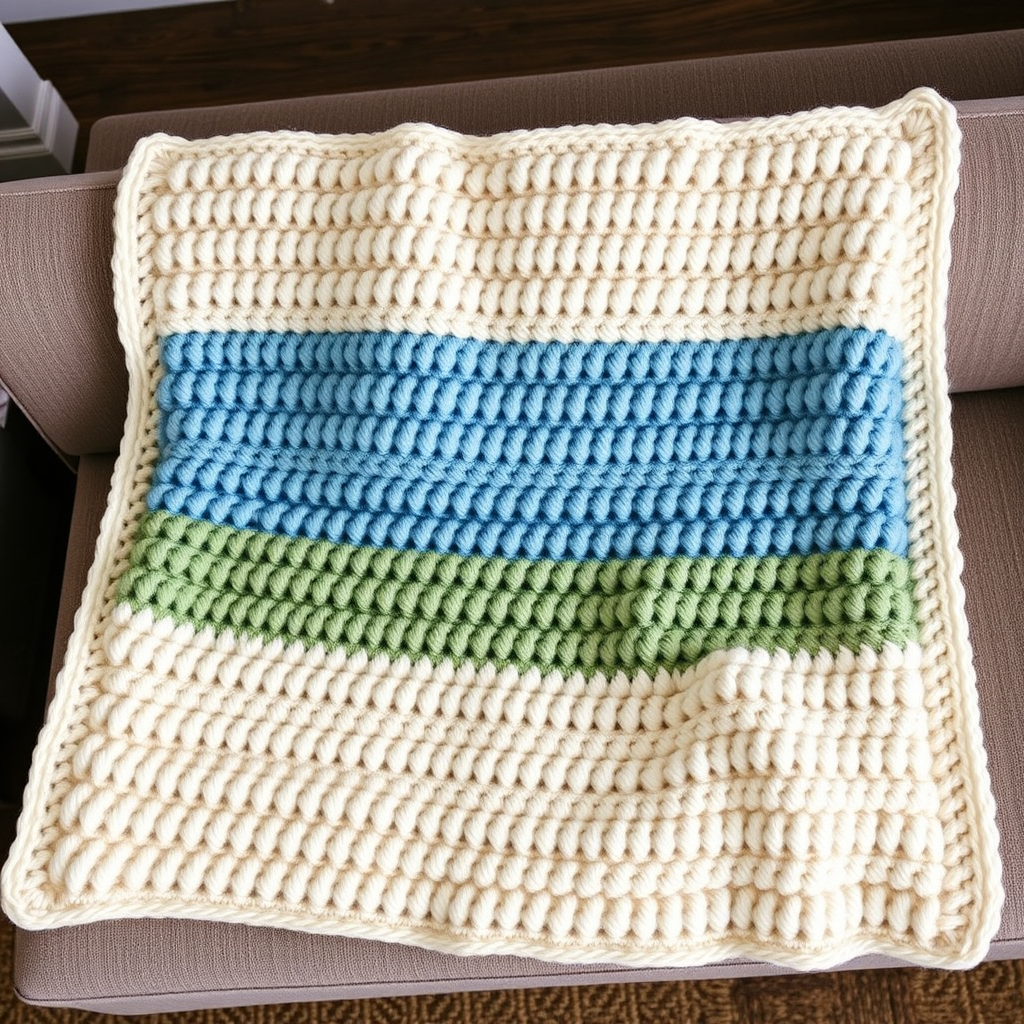
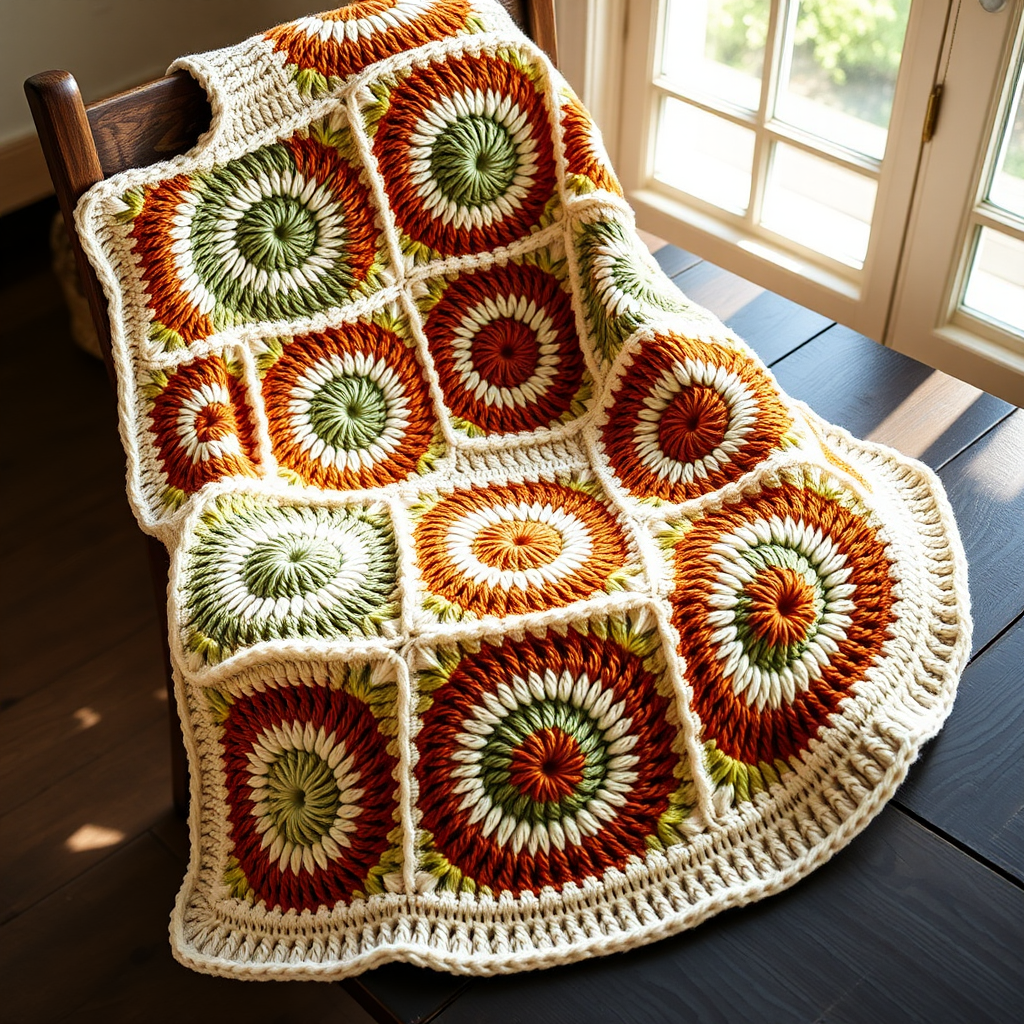
There are some projects that are more than just yarn and hooks—they become statements, reminders, and sources of comfort. The Resilience Ripple C2C Afghan is exactly that kind of project. This corner-to-corner crochet throw weaves a powerful semicolon and heartbeat motif into a cozy, modern afghan, making it a meaningful piece for mental health awareness. Whether you're crafting it for yourself, a loved one, or as a donation to a cause close to your heart, this textured ripple design and soft gradient yarn create a comforting and inspiring addition to any home.
Using the corner-to-corner (c2c) technique, you'll work diagonally from one corner to the other, building a graph of blocks that gradually reveals a beautiful semicolon flowing into a heartbeat line. The finished piece measures approximately 60 inches by 60 inches—perfect for snuggling on the couch or draping over a bed. The calming palette of soft teal, misty lavender, warm grey, and cream makes this afghan as soothing to look at as it is to create.
Whether you're new to c2c or a seasoned pro, this pattern is designed to be accessible and rewarding. Let's gather our materials and get started on this meaningful journey.
Materials Needed
Before you begin, make sure you have all the necessary supplies. This pattern uses worsted weight yarn and a standard crochet hook, so it's easy to find everything you need at your local craft store.
Yarn
- Color A (Soft Teal): 1200g (approximately 4 large skeins)
- Color B (Misty Lavender): 800g (approximately 3 skeins)
- Color C (Warm Grey): 600g (approximately 2 skeins)
- Color D (Cream): 400g (approximately 1-2 skeins)
Note: All yarn should be worsted weight (medium/4) for consistent gauge and texture.
Hook and Notions
- 5.5mm (I-9) crochet hook
- Yarn needle for weaving in ends
- Scissors
- Stitch markers (optional, but helpful for keeping track of rows)
Gauge
To ensure your afghan turns out the correct size, it's important to check your gauge:
- 4 c2c blocks = 4 inches
- 10 rows = 4 inches in c2c pattern
If your gauge is off, adjust your hook size accordingly. A tighter gauge will make a smaller, denser blanket, while a looser gauge will create a larger, drapier one.
Step-by-Step Instructions
This afghan is worked diagonally from corner to corner using the c2c technique. Each "block" is a cluster of 3 double crochets worked into a chain space. The pattern uses a graph to create the semicolon and heartbeat motif. Follow the written instructions below, which include the graph in text form.
Abbreviations
- ch = chain
- dc = double crochet
- sl st = slip stitch
- c2c = corner to corner
- Block = 3 dc in the same chain space
Foundation Row
Row 1: With Color A, ch 6. Dc in the 4th ch from hook, dc in the next 2 ch. This forms your first block. Turn your work.
Tip: The ch-3 at the beginning of each block counts as the first double crochet, so you'll always have 3 dc total in each block.
Increase Rows (Rows 2-30)
During the increase phase, you'll add one block to each row, building the diagonal shape of the afghan.
Row 2: Ch 6, dc in the 4th ch from hook and in the next 2 ch (this creates a new block). Sl st into the ch-3 space of the previous row's last block, ch 3, work 3 dc in that same space (another block). Turn. You should now have 2 blocks.
Row 3: Ch 6, dc in the 4th ch from hook and next 2 ch. *Sl st into the next ch-3 space, ch 3, 3 dc in the same space.* Repeat from * across to the end of the row. Turn. You should now have 3 blocks.
Rows 4-30: Continue increasing in this manner, adding one block each row. At the beginning of each row, ch 6 to start the new block, then work across the row, placing one block in each ch-3 space from the previous row. By the end of Row 30, you'll have 30 blocks across the diagonal.
Important: As you work through the increase rows, you'll need to follow the color chart below. The chart is read from bottom right to top left, with each square representing one block. Change colors as indicated by carrying the yarn along the back of your work or using separate bobbins for each color section.
Color Chart (Rows 1-30, from bottom to top)
Here is the complete color breakdown for the increase rows. Each row lists the number of blocks in each color, read from left to right across the row.
- Rows 1-10: All Color A (30 blocks)
- Row 11: 10 blocks Color A, 1 block Color B, 19 blocks Color A
- Row 12: 9 blocks Color A, 3 blocks Color B, 18 blocks Color A
- Row 13: 8 blocks Color A, 5 blocks Color B, 17 blocks Color A
- Row 14: 7 blocks Color A, 7 blocks Color B, 16 blocks Color A
- Row 15: 6 blocks Color A, 9 blocks Color B, 15 blocks Color A
- Row 16: 5 blocks Color A, 11 blocks Color B, 14 blocks Color A
- Row 17: 4 blocks Color A, 13 blocks Color B, 13 blocks Color A
- Row 18: 3 blocks Color A, 15 blocks Color B, 12 blocks Color A
- Row 19: 2 blocks Color A, 17 blocks Color B, 11 blocks Color A
- Row 20: 1 block Color A, 19 blocks Color B, 10 blocks Color A
- Row 21: 1 block Color A, 20 blocks Color B, 9 blocks Color A
- Row 22: 1 block Color A, 21 blocks Color B, 8 blocks Color A
- Row 23: 1 block Color A, 22 blocks Color B, 7 blocks Color A
- Row 24: 1 block Color A, 23 blocks Color B, 6 blocks Color A
- Row 25: 1 block Color A, 24 blocks Color B, 5 blocks Color A
- Row 26: 1 block Color A, 25 blocks Color B, 4 blocks Color A
- Row 27: 1 block Color A, 26 blocks Color B, 3 blocks Color A
- Row 28: 1 block Color A, 27 blocks Color B, 2 blocks Color A
- Row 29: 1 block Color A, 28 blocks Color B, 1 block Color A
- Row 30: 30 blocks Color B
Pro Tip: When changing colors, work the last dc of a block with the new color. This creates a clean color transition without gaps.
Decrease Rows (Rows 31-60)
Once you've completed Row 30, you'll begin decreasing by one block each row. This shapes the opposite corner of the afghan.
Decrease Technique: At the beginning of each row, sl st across the first block to the next ch-3 space. Ch 3 and work 3 dc in that space. Continue across the row, working one block in each ch-3 space. At the end of the row, do not work the last block. Turn.
Note: The first and last blocks of each decrease row will be "partial" blocks, which is normal for c2c construction.
Here is the color chart for the decrease rows:
- Row 31: 29 blocks – 1 block Color B, 27 blocks Color C, 1 block Color B
- Row 32: 28 blocks – 2 blocks Color B, 24 blocks Color C, 2 blocks Color B
- Row 33: 27 blocks – 3 blocks Color B, 21 blocks Color C, 3 blocks Color B
- Row 34: 26 blocks – 4 blocks Color B, 18 blocks Color C, 4 blocks Color B
- Row 35: 25 blocks – 5 blocks Color B, 15 blocks Color C, 5 blocks Color B
- Row 36: 24 blocks – 6 blocks Color B, 12 blocks Color C, 6 blocks Color B
- Row 37: 23 blocks – 7 blocks Color B, 9 blocks Color C, 7 blocks Color B
- Row 38: 22 blocks – 8 blocks Color B, 6 blocks Color C, 8 blocks Color B
- Row 39: 21 blocks – 9 blocks Color B, 3 blocks Color C, 9 blocks Color B
- Row 40: 20 blocks – 10 blocks Color B, 0 blocks Color C, 10 blocks Color B
- Row 41: 19 blocks – 9 blocks Color B, 1 block Color D, 9 blocks Color B
- Row 42: 18 blocks – 8 blocks Color B, 3 blocks Color D, 7 blocks Color B
- Row 43: 17 blocks – 7 blocks Color B, 5 blocks Color D, 5 blocks Color B
- Row 44: 16 blocks – 6 blocks Color B, 7 blocks Color D, 3 blocks Color B
- Row 45: 15 blocks – 5 blocks Color B, 9 blocks Color D, 1 block Color B
- Row 46: 14 blocks – 4 blocks Color B, 10 blocks Color D
- Row 47: 13 blocks – 3 blocks Color B, 10 blocks Color D
- Row 48: 12 blocks – 2 blocks Color B, 10 blocks Color D
- Row 49: 11 blocks – 1 block Color B, 10 blocks Color D
- Row 50: 10 blocks – 10 blocks Color D
- Row 51: 9 blocks – 9 blocks Color D
- Row 52: 8 blocks – 8 blocks Color D
- Row 53: 7 blocks – 7 blocks Color D
- Row 54: 6 blocks – 6 blocks Color D
- Row 55: 5 blocks – 5 blocks Color D
- Row 56: 4 blocks – 4 blocks Color D
- Row 57: 3 blocks – 3 blocks Color D
- Row 58: 2 blocks – 2 blocks Color D
- Row 59: 1 block – 1 block Color D
- Row 60: 1 block – 1 block Color D (fasten off)
Tip: As you work the decrease rows, the color changes will create the heartbeat line and the cream ripple at the end. Take your time and count your blocks carefully to ensure the pattern lines up correctly.
Border
Once you've completed all 60 rows and fastened off, it's time to add a beautiful finishing border.
Round 1: With Color A, attach your yarn to any corner of the afghan. Work a border of single crochet (sc) around the entire afghan. In each corner, work 3 sc in the corner space. For the diagonal edges, work 1 sc in each block edge. For the straight edges, work 1 sc in each dc. Join with a sl st to the first sc.
Finishing: Fasten off and weave in all ends with your yarn needle. Take your time with this step—a well-finished afghan will last for years and look beautiful.
Blocking (Optional but Recommended)
To give your afghan a professional finish and even out the c2c blocks, consider blocking it. Lay the afghan flat on a clean surface, gently pin it to the desired dimensions (60" x 60"), and mist with water. Allow it to dry completely before unpinning. This will help the blocks lie flat and the edges look crisp.
Final Thoughts
Your Resilience Ripple C2C Afghan is now complete! This meaningful throw is more than just a cozy blanket—it's a conversation starter, a symbol of hope, and a reminder that every story matters. The semicolon represents a pause, not an end, and the heartbeat line reminds us to keep going, one stitch at a time.
Whether you keep this afghan for yourself or gift it to someone who needs a little extra comfort, it's sure to be treasured. The calming colors and textured c2c design make it a beautiful addition to any room, and the message behind it makes it truly special.
Happy crocheting, and remember: your resilience is beautiful, just like this blanket.