Seraphim Lace Wing Shawl Free Pattern – Knit a Celestial Featherlight Wrap
Seraphim Lace Wing Shawl Free Pattern – Knit a Celestial Featherlight Wrap
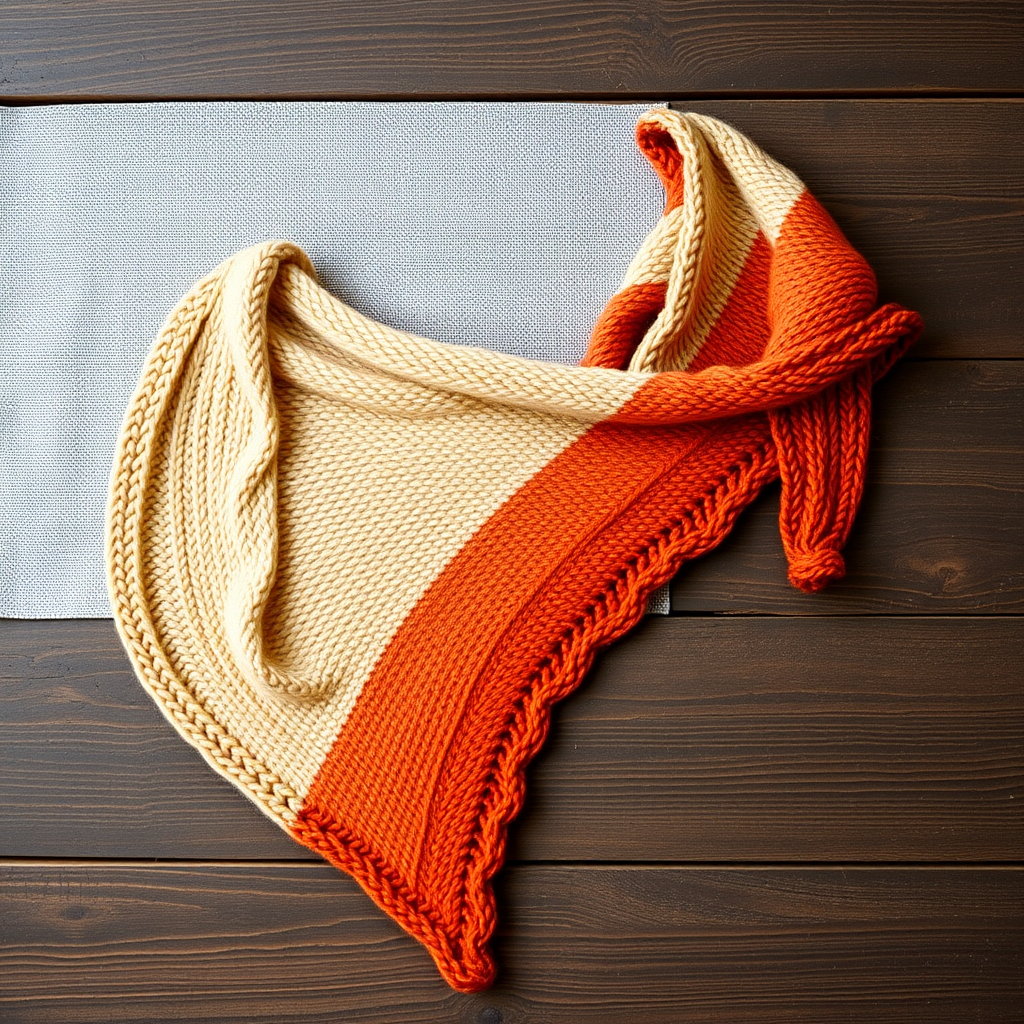
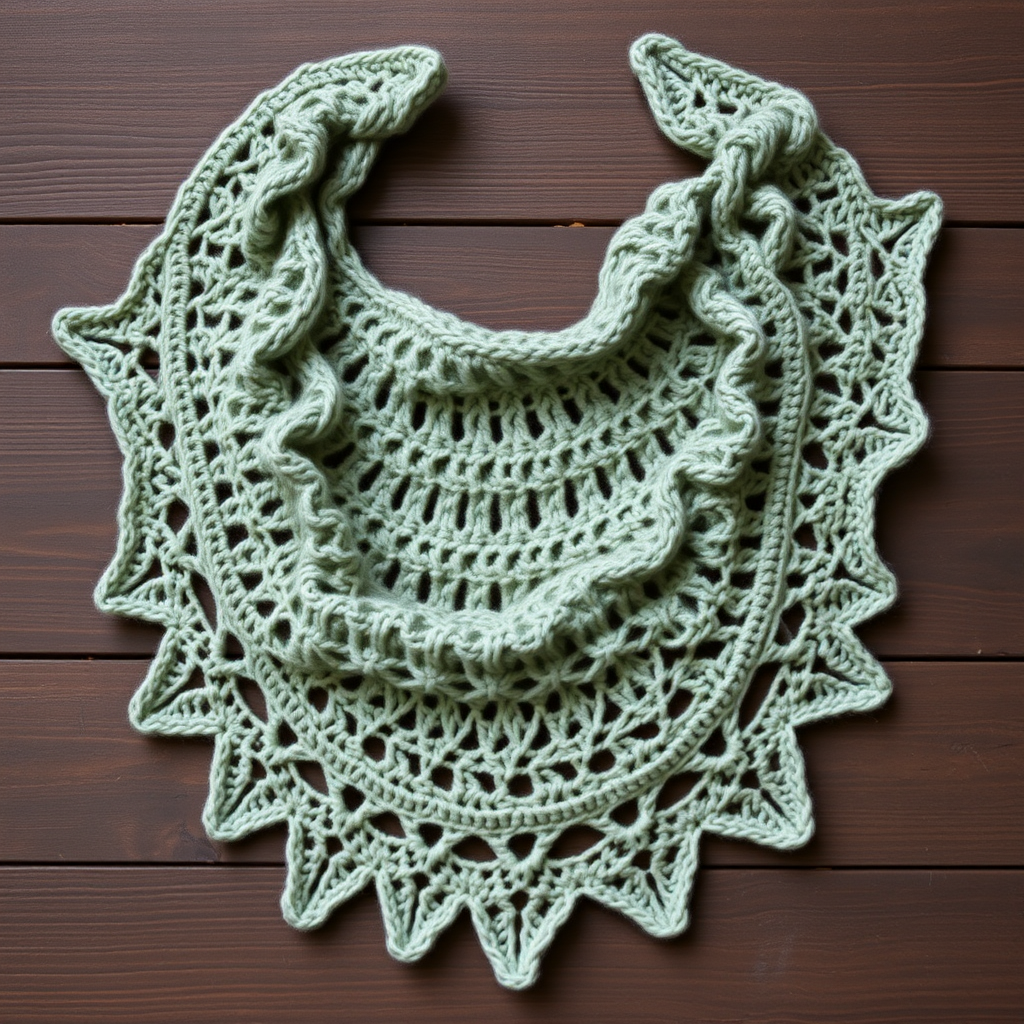
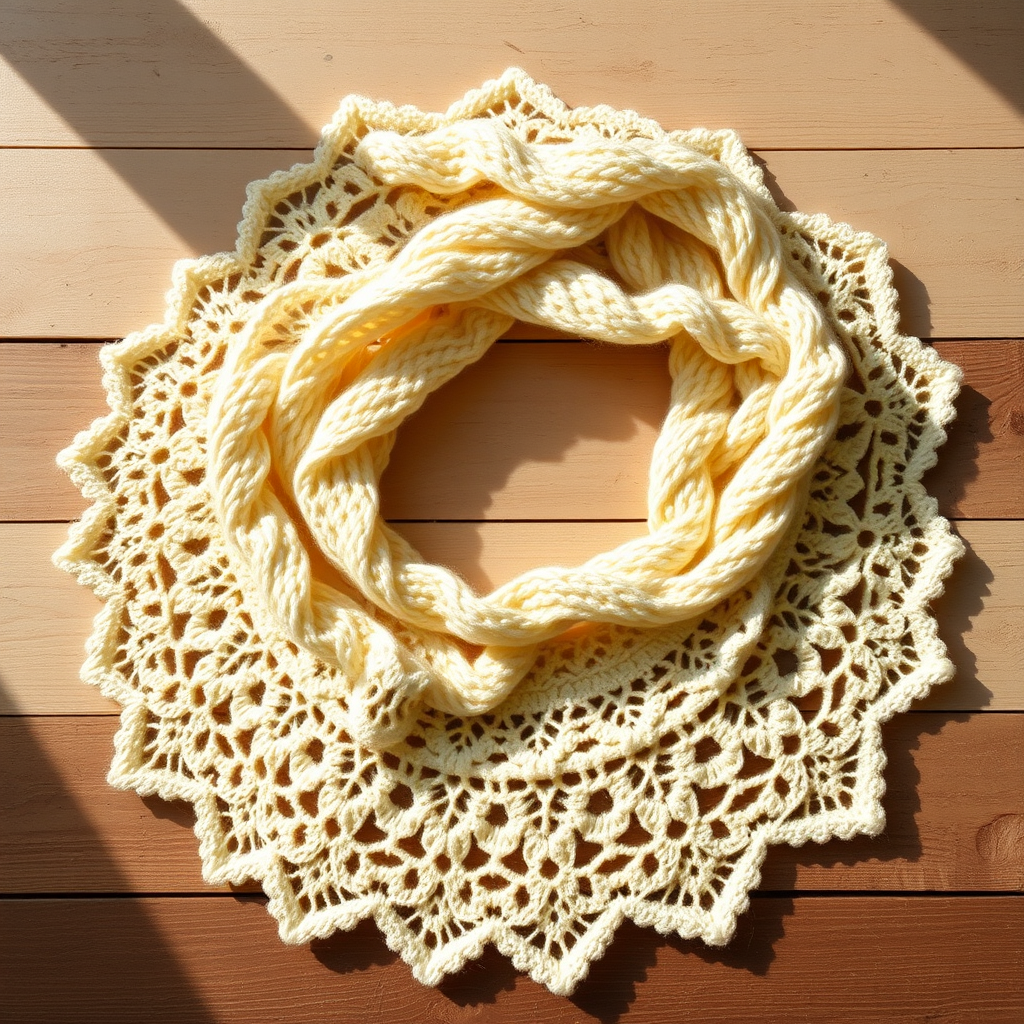
Wrap yourself in ethereal elegance with this knitted shawl that mimics the layered softness of angel wings. The delicate lace panels and gentle crescent shape create a heavenly accessory for special moments—whether draped over an evening gown or adding a touch of celestial charm to your everyday attire. This free knitting pattern is perfect for intermediate knitters ready to explore lacework, yet accessible enough for confident beginners who want to stretch their skills.
The Seraphim Lace Wing Shawl is worked top-down from the center back, increasing outward to form a soft, flowing crescent. The combination of yarn overs, simple decreases, and airy eyelets produces a feathery texture that catches the light beautifully. With approximately 800 yards of fingering-weight yarn, you'll create a wrap that's both substantial and whisper-light—a true heirloom piece.
Materials Needed
Before you begin your celestial knitting journey, gather these supplies:
- Yarn: Fingering weight yarn (e.g., Malabrigo Sock) in a soft ivory or pale gold, approximately 800 yards. The sample uses a creamy ivory with subtle golden undertones for that heavenly glow.
- Needle: US 6 (4.0 mm) circular knitting needle, 32-inch or longer. The long cable is essential to accommodate the growing number of stitches.
- Gauge: 20 stitches and 28 rows = 4 inches in stockinette stitch (blocked). Gauge is important for achieving the correct drape and size, though lace is forgiving.
- Notions: Stitch markers (at least 2), tapestry needle for weaving ends, blocking mats or towels, rust-proof pins, and gentle wool wash.
Abbreviations
Familiarize yourself with these standard knitting abbreviations before starting:
- CO: Cast on
- K: Knit
- P: Purl
- YO: Yarn over (creates an eyelet hole and increases by 1 stitch)
- K2tog: Knit two together (right-leaning decrease)
- SSK: Slip, slip, knit (left-leaning decrease)
- KFB: Knit front and back (increase by 1 stitch)
- PM: Place marker
- SM: Slip marker
- RS: Right side
- WS: Wrong side
Step-by-Step Instructions
Setup Section
This shawl begins with just 3 stitches and grows outward. Follow these initial rows carefully:
CO 3 stitches.
Row 1 (RS): KFB, K1, KFB — you now have 5 stitches.
Row 2 (WS): Purl all stitches.
Row 3 (RS): KFB, K1, YO, K1, YO, K1, KFB — you now have 9 stitches. The yarn overs create the first eyelets at the center.
Row 4 (WS): Purl all stitches.
Increase Section
Now you'll work simple edge increases to widen the shawl's top edge:
Row 5 (RS): KFB, K to last stitch, KFB — increases 2 stitches (one at each edge).
Row 6 (WS): Purl all stitches.
Repeat Rows 5-6 until you have 45 stitches on the needle, ending with a WS row. This creates the foundation for your lace panels.
Lace Panel Start
Now the magic begins! You'll introduce the feather-like lace pattern while continuing edge increases:
Row 1 (RS): KFB, K1, *YO, K2tog, K1* repeat from * to * until 2 stitches remain, K1, KFB — you now have 47 stitches.
Row 2 (WS): Purl all stitches.
Row 3 (RS): KFB, K2, *YO, SSK, K1* repeat from * to * until 3 stitches remain, K2, KFB — you now have 49 stitches.
Row 4 (WS): Purl all stitches.
Row 5 (RS): KFB, K3, *YO, K2tog, K1* repeat from * to * until 4 stitches remain, K3, KFB — you now have 51 stitches.
Row 6 (WS): Purl all stitches.
Body of Shawl
Now you'll establish the main lace repeat. Place a marker at the center stitch to help track your pattern. Count your stitches and place a marker on either side of the center stitch.
Continue in this pattern, increasing 2 stitches every RS row (one at each edge) and working the lace pattern across the middle. The lace pattern is a 4-row repeat:
Row A (RS): KFB, K to 2 stitches before marker, YO, K2tog, SM, K1, YO, K2tog, K to last stitch, KFB
Row B (WS): Purl all stitches.
Row C (RS): KFB, K to marker, YO, SSK, SM, K1, YO, SSK, K to last stitch, KFB
Row D (WS): Purl all stitches.
Repeat Rows A-D until the shawl measures approximately 24 inches from the center back, or your desired length. End with a WS row. The alternating K2tog and SSK decreases create the balanced, feather-like slant of the lace.
Edging
This scalloped edging adds the final celestial touch:
Row 1 (RS): KFB, *YO, K2tog* repeat from * to * until 1 stitch remains, KFB — this increases 1 stitch per repeat, creating a gentle flare.
Row 2 (WS): Purl all stitches.
Row 3 (RS): KFB, *YO, K2tog* repeat from * to * until 1 stitch remains, KFB
Row 4 (WS): Purl all stitches.
Bind off loosely on the next RS row (knitwise). A loose bind-off is crucial to maintain the stretchy, flowing edge.
Finishing
Proper blocking transforms this shawl from a crumpled knit into a work of art:
- Weave in all ends with your tapestry needle.
- Soak the shawl in lukewarm water with a gentle wool wash for 20 minutes. Do not agitate—let it rest.
- Gently squeeze out excess water (do not wring or twist).
- Lay flat on a clean towel and roll to remove additional moisture.
- Shape into a crescent on blocking mats or dry towels, stretching the lace points slightly to open up the eyelets.
- Pin the edges to hold the shape and allow to dry completely, typically 24-48 hours.
Optional: Crochet Picot Edge
For extra delicacy, add a crochet picot edge using a 3.5 mm hook: *sc in first stitch, ch 3, sc in same stitch, skip 1 stitch* repeat around the entire edge. This creates tiny decorative loops that enhance the angel-wing aesthetic.
Tips for Success
- Use lifelines: Thread a contrasting piece of waste yarn through your stitches every 10-20 rows. If you make a mistake, you can easily rip back to the lifeline without losing your work.
- Count your stitches: After each RS row, verify your stitch count. The increases should keep the total growing by 2 stitches each RS row.
- Block generously: Lace truly shines after blocking. Don't be shy—stretch those eyelets open to showcase the feathery pattern.
- Choose your yarn wisely: A yarn with good stitch definition, like wool or a wool blend, will make the lace pattern pop. Avoid overly fuzzy yarns that obscure the eyelets.
Your Seraphim Lace Wing Shawl is now complete—a celestial, featherlight wrap that captures the ethereal beauty of angel wings. Whether you keep it for yourself or gift it to someone special, this handmade treasure will be cherished for years to come. The delicate lace panels and gentle crescent shape create a heavenly accessory for weddings, anniversaries, or simply cozy evenings when you want to feel a little divine.
Happy knitting, and may your stitches always be blessed with grace!